
Over the past two decades, some 500 people from all over the world have learnt from scratch in the heart of Germany what it means to put Internet Governance into practice and experience the multi-stakeholder approach first-hand. This has been made possible by the European Summer School on Internet Governance (EuroSSIG), launched in 2007 by Professor Emeritus Wolfgang Kleinwächter – and not least thanks to its main sponsor who has played a key role in funding the successful programme right from the start and ever since: DENIC.
To mark EuroSSIG’s 20th anniversary at the end of July, we had the opportunity to speak to Wolfgang.
Dear Wolfgang, first and foremost, our warmest congratulations on the 20th anniversary of EuroSSIG! We’re delighted for you to see what a success story it has become over the years!
Thank you. EuroSSIG’s success is down to our very small team - led by Sandra Hoferichter as the chief coordinator - and the many external supporters. It’s a good example of how you can achieve a lasting impact with limited resources.
We’d love to take a look with you at what has been, what’s now, and what will hopefully be to come. To start with, let’s go back to the very beginning: Like very few others in Germany, you recognised the importance of Internet Governance at an early stage. As a participant in the conferences of the UN World Summit on the Information Society (WSIS) in Geneva and Tunis, and as a member of the UN Working Group on Internet Governance (WGIG) in the early 2000s, you were among the pioneers who formulated the principles of global Internet Governance and who since then, right up to the present day, have worked tirelessly to continuously shape and refine them. Not long after that, in 2007, you founded EuroSSIG. What was the idea behind it? What motivated you?
As an academic member of the UN Working Group on Internet Governance (WGIG), between 2003 and 2005, I was repeatedly asked by diplomats where one could study Internet Governance. And my answer was always ‘nowhere’. Universities and their faculties are organised based on academic disciplines. You can study law or economics, computer science or social sciences. Internet Governance, however, is a multidisciplinary field. The development and use of the internet give rise to technical and political as much as economical, legal, cultural and social issues.
So, following the 2005 Tunis World Summit, a group of academics from WGIG got together and drew up a proposal for an interdisciplinary master’s course on Internet Governance, which in the summer of 2006 was discussed at an expert seminar supported by UNESCO, the International Association for Media and Communication Research (IAMCR) and the International Communication Association (ICA). This led to the creation of the ‘Global Internet Governance Academic Network’ (GIGANET), where the draft curriculum on Internet Governance was adopted. The first GIGANET meeting took place just a few weeks later, on the eve of the first Internet Governance Forum in Athens. Since then, GIGANET has become an integral part of the IGF.
After that, in July 2007, I launched the very first summer school featuring the Internet Governance course at the Meißen Academy, in Germany. It would not have been possible to get the project off the ground had it not been for DENIC’s support for this trial programme. The success of the first EuroSSIG encouraged us to carry on. And, as it turns out, this initial investment had a long-term effect.
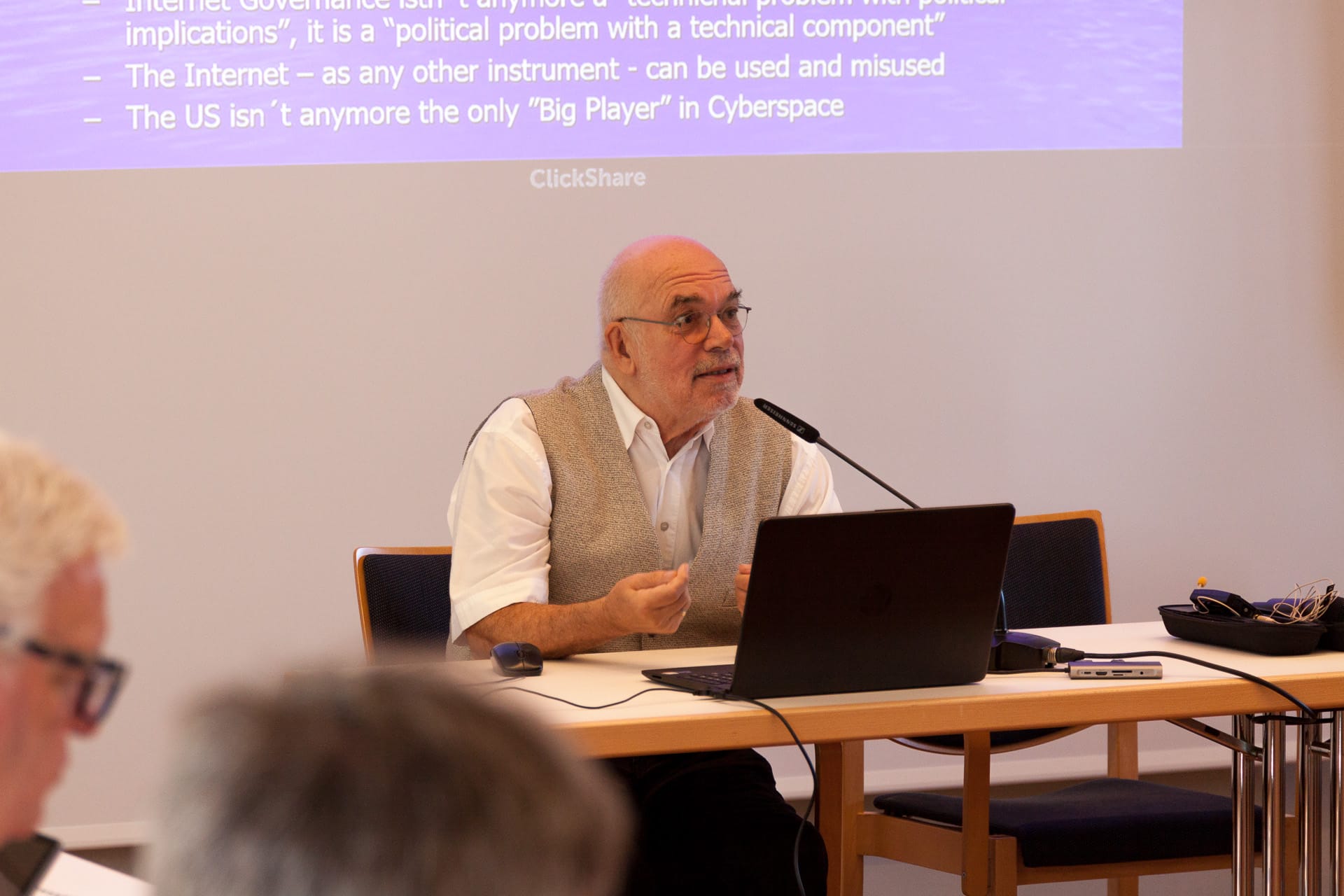
What exactly can prospective participants expect in terms of content from EuroSSIG, and what awaits them there? We’ll come to the wider context later.
As I said, our week-long course is designed to be interdisciplinary. But beyond that, it is also practice-oriented. This means we offer lectures and seminars covering all aspects of Internet Governance: technical, legal, economical, political, social and cultural. Adding to these are course modules that deal with the operational management of DNS, the Domain Name System – from root server management through the administration of domain names and IP numbers to the work of ICANN, TLD registries, registrars and ISPs. To this end, we invite technical community members who run these services, along with experts from the digital economy and specialists who can tell us about digital human rights. This mix lends the courses a higher degree of authenticity and credibility.
As founder and driving force, you are the public face and the key creative force behind EuroSSIG. However, an event of this kind and scale naturally cannot be run single-handedly, whether in terms of programme planning or behind the scenes. Who else is involved apart from you?
Our aim was to build a faculty comprising a mix of academic and hands-on experts, striving towards attracting the world’s leading professionals. And that’s exactly what we have achieved.
Our faculty members‘ track record spans from the fathers of the Internet, Vint Cerf and Steve Crocker, to many ICANN directors, such as Fadi Chehadé, Marten Botterman, Markus Kummer or Avri Doria and further up to other leading ICANN representatives, including GAC Chairs Thomas Schneider and Janis Karklins, ccNSO Chair Chris Disspain, GNSO Chairs Keith Drazek and Thomas Rickert, ALAC Chairs Annette Mühlberg and Olivier Crépin-Leblond, and quite a few more, who demonstrate that our fellows gain first-hand knowledge.
This also refers to experts from the fields of politics, business and human rights: Larry Strickling, the former president of the NTIA (the National Telecommunications and Information Administration within the US Department of Commerce), which for a long time oversaw ICANN, joined the faculty as did Fiona Alexander, who represented the US government in the WSIS negotiations. We hired several high-ranking representatives from the European Commission, including Michael Niebel, Chief of Staff to EU Digital Commissioner Neelie Kroes.
Speakers from the business sector included representatives from Google, Amazon, Facebook, Telefónica, Cisco, Microsoft and Deutsche Telekom. Alongside former IGF MAG Chairs and a director of the IGF Secretariat, the head of the NETmundial process, Hartmut Glaser, was also part of the faculty. Not to mention leading Internet Governance experts such as Milton Mueller, William Drake, Jeanette Hofmann, Bertrand de la Chapelle and Tatiana Tropina. On the subject of digital human rights, we have so far featured specialists from Amnesty International, Human Rights Watch, Reporters Without Borders and Article 19 in our programme.
All in line with our motto ‘Learning in a Multistakeholder Environment’, this practical approach is clearly paying off. A good example is Chris Buckridge. He joined EuroSSIG as a fellow from Australia in the late 2000s. In the 2020s, he returned joining EuroSSIG‘s Faculty as a member of ICANN’s board of directors.
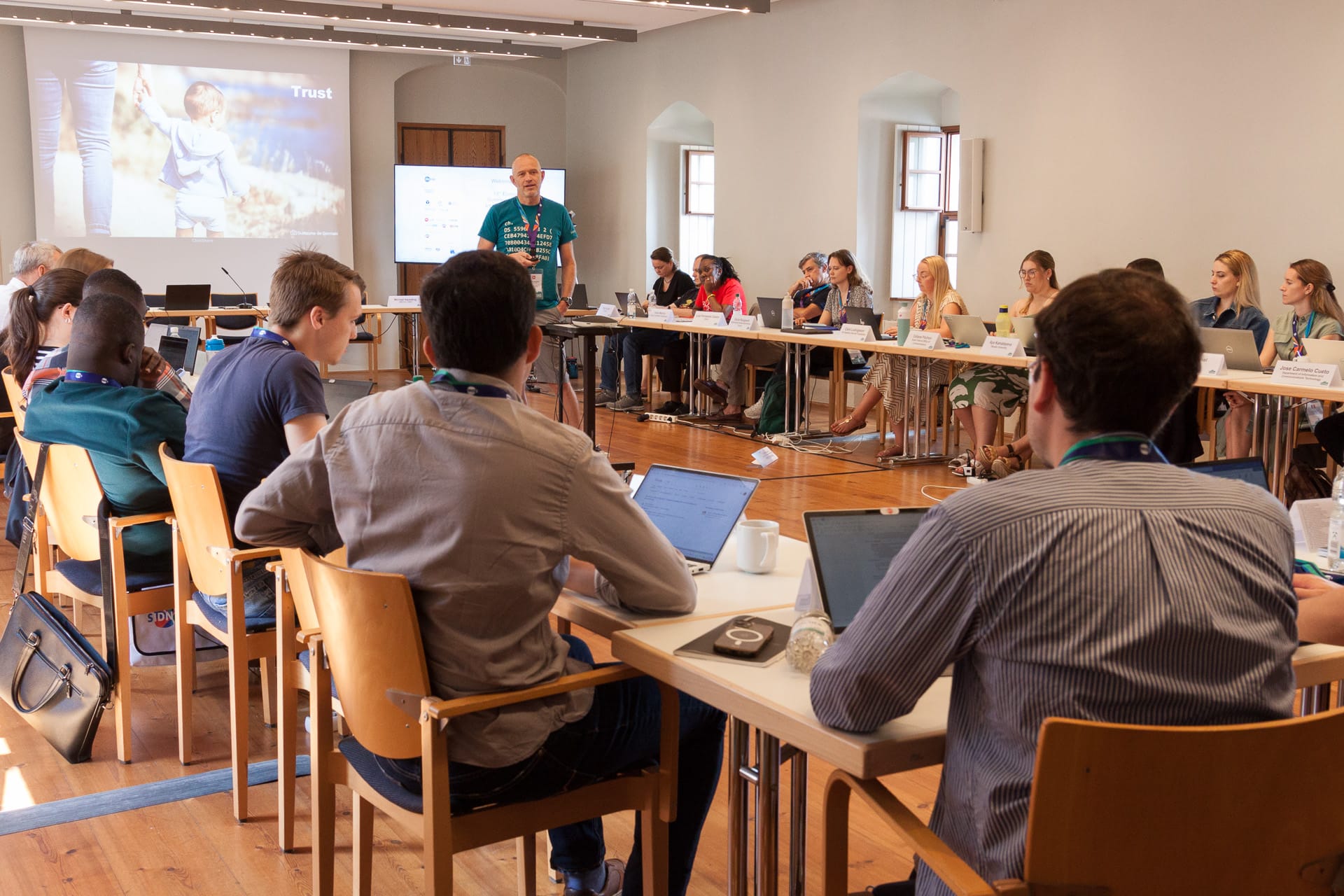
Part of the overall concept is also the very special microcosm, the framework that defines EuroSSIG: the atmospheric venue away from large conference halls – the small group size of participating fellows – the core team of faculty members, in whose diaries EuroSSIG has held a firm place for many years because they share the spirit … What have you and your staff kept the same over time, what changes have you made – and why?
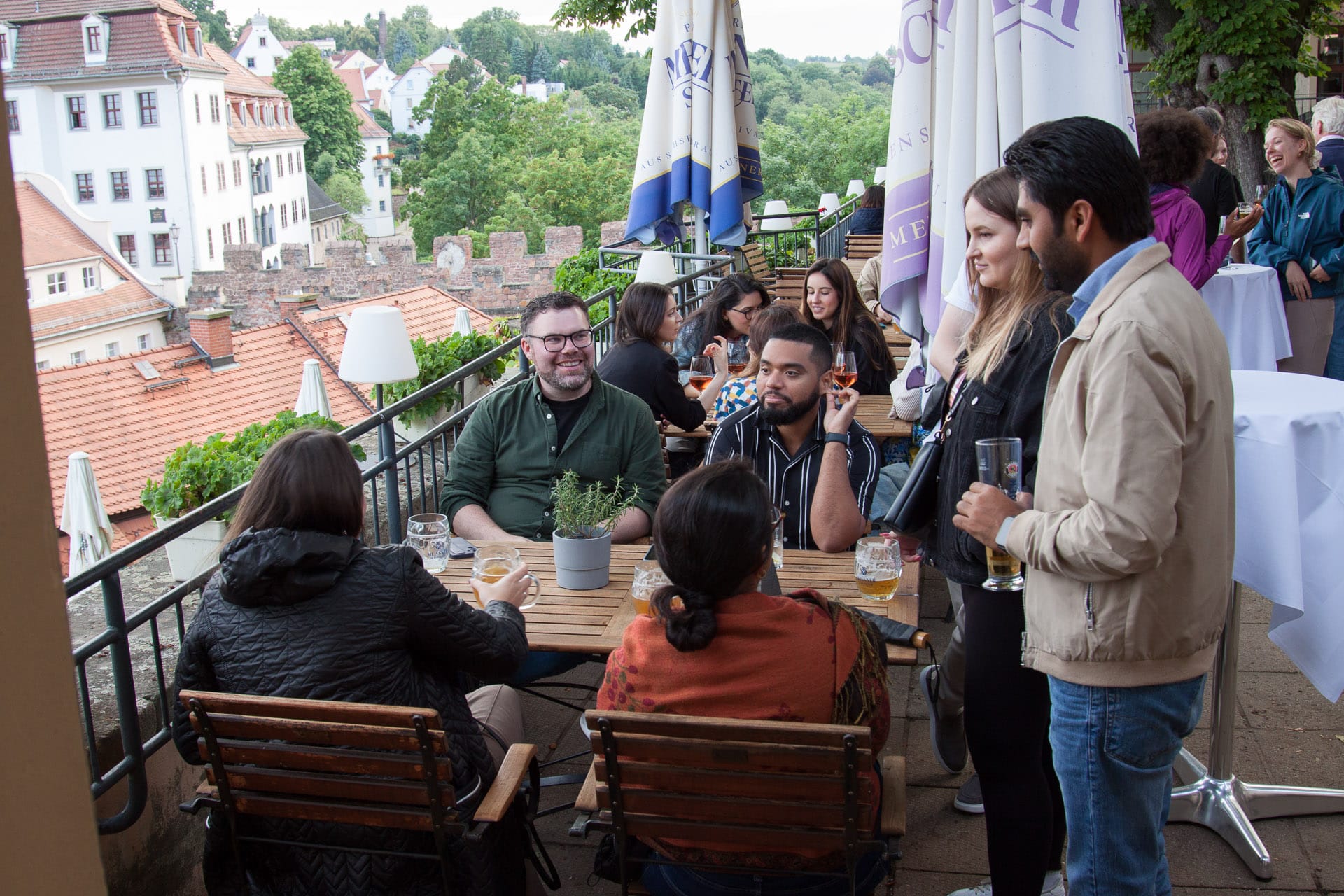
Indeed, the venerable surroundings of 500-year-old St Afra Monastery create a uniquely stimulating atmosphere when debating the problems of the future whilst surrounded by the walls of the past. St Afra Monastery offers a unique setting where fellows live and study together with all the lecturers under one roof. This facilitates an in-depth exchange between fellows and faculty, even beyond the regular lectures and seminars. All meals are taken together in the wine cellar. Meißen is one of Germany’s northernmost wine-growing regions. And over a glass of wine, discussions on Internet Governance continue late into the night on the terrace.
One specific item on the programme each year is what we call ‘the practicum‘, where fellows re-enact global digital negotiations – such as those on the IANA transition, the OEWG negotiations on cybersecurity, the Global Digital Compact or WSIS+20 – in a playful manner: Each fellow takes on the role of a national government or a non-governmental stakeholder, and ‘negotiations’ often continue well into the night. The results are then forwarded to the UN, ICANN or the IGF, this way having a practical impact.
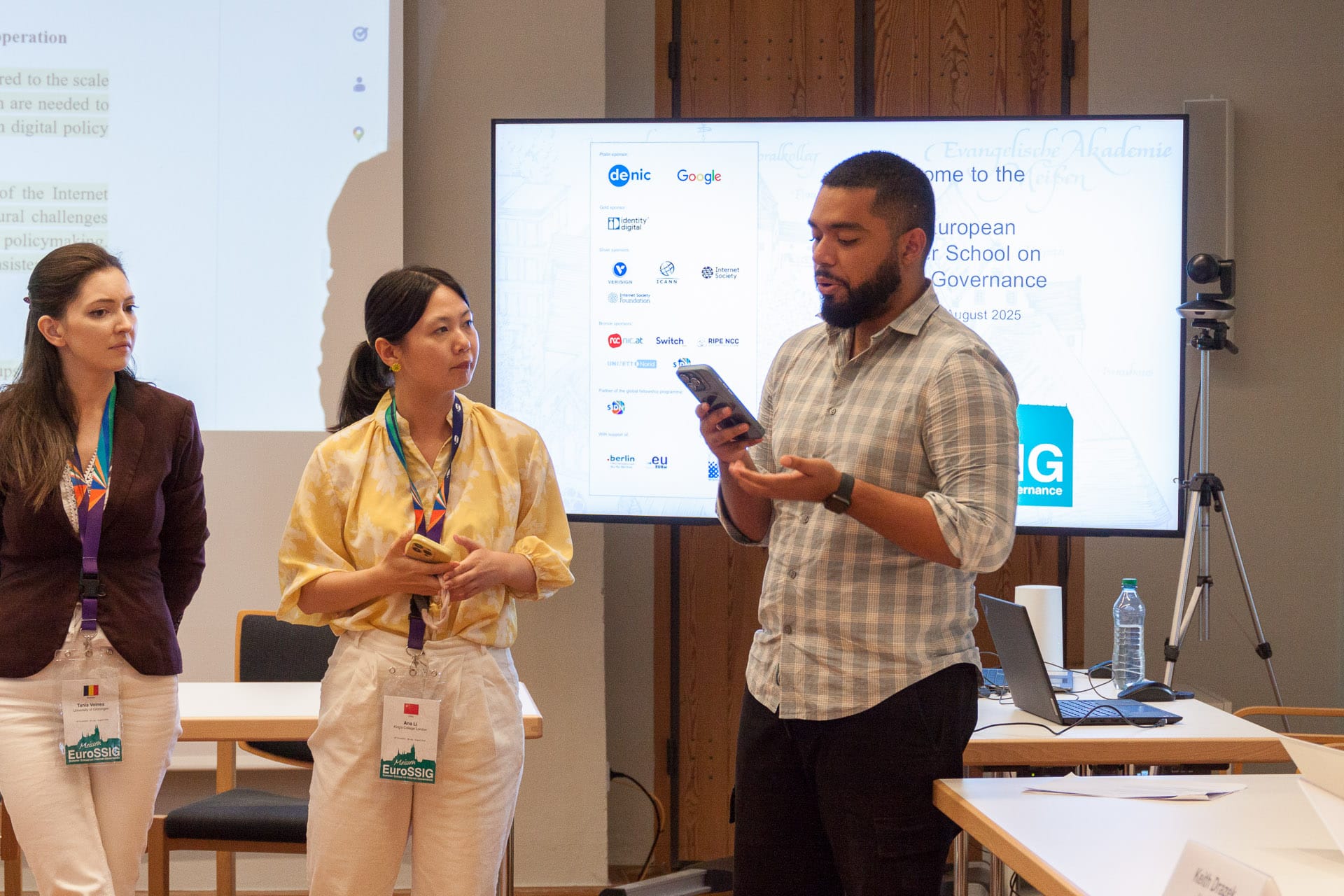
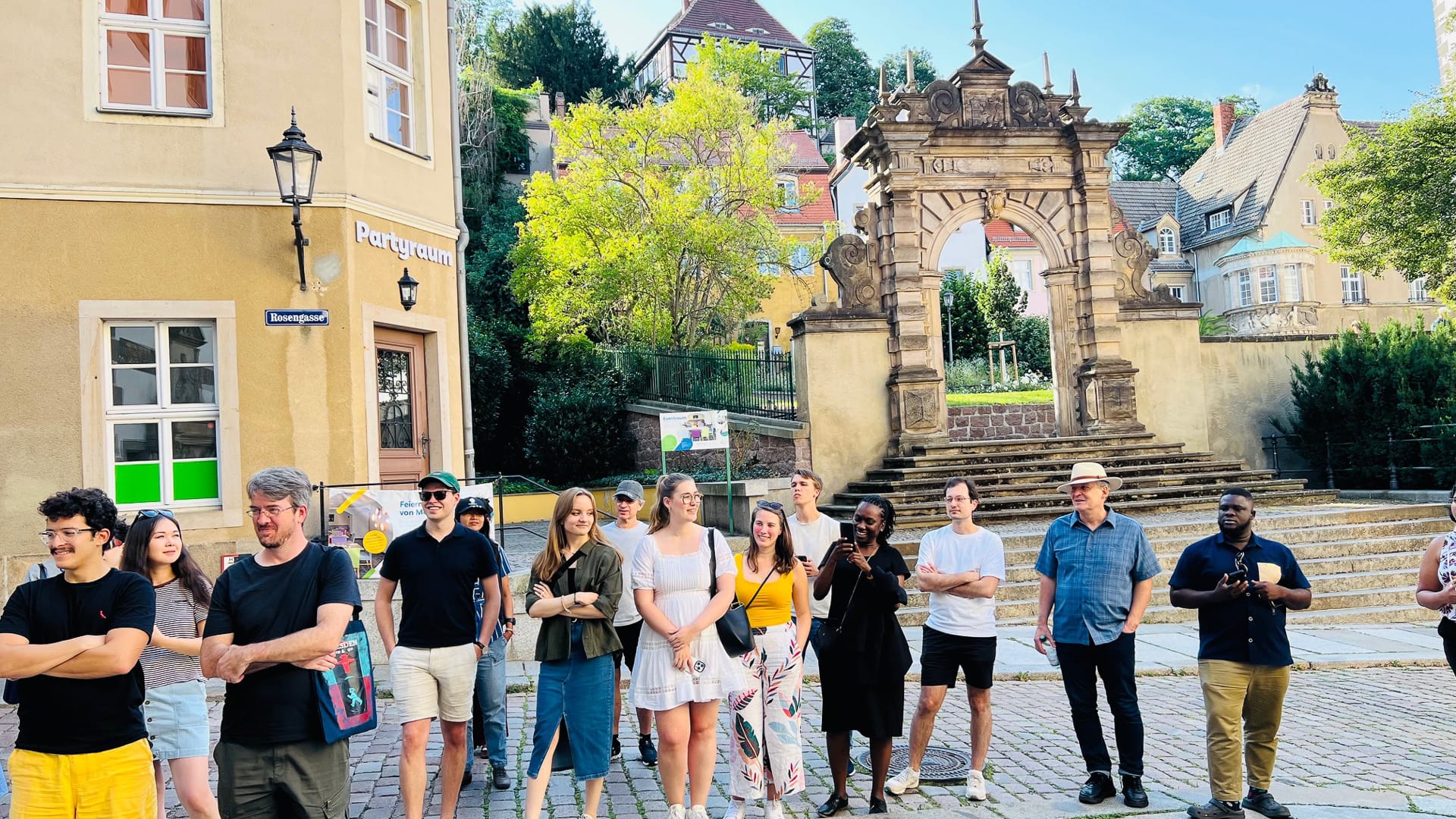
Socialising is also a key focus of our programme and is organised in a varied way: from a visit to the Meissen Porcelain Manufactory to singing together around a campfire, from a boat trip on River Elbe to a guided tour of medieval Meißen.
A particular cultural highlight is always the ‘EuroSSIG Song Contest’ during the closing gala dinner. All fellows and faculty members are invited to sing a song from their respective countries. It is always inspiring to hear, for example, a fellow from Argentina striking up a tango following a traditional song from Georgia, an Arabic folk tune or nursery rhymes from China.
Given that the later father of the Age of Enlightenment in Germany, Gotthold Ephraim Lessing, used to be a student at St Afra’s Monastery, too, adds another special touch to EuroSSIG as we see ourselves as ‘enlighteners’ for the information age. Especially against the backdrop of developments in artificial intelligence, enlightenment today becomes more necessary than ever. That is why, year after year, we have continually adapted our programme to meet the ever-changing challenges. At the moment, we are considering how we can integrate the new debate on AI Governance into the 25-year-old debate on Internet Governance. I could well imagine turning the SSIG into an SSAIG – hence a Summer School on AI and Internet Governance – in the long run.
Who can take part in EuroSSIG, and which requirements must they meet?
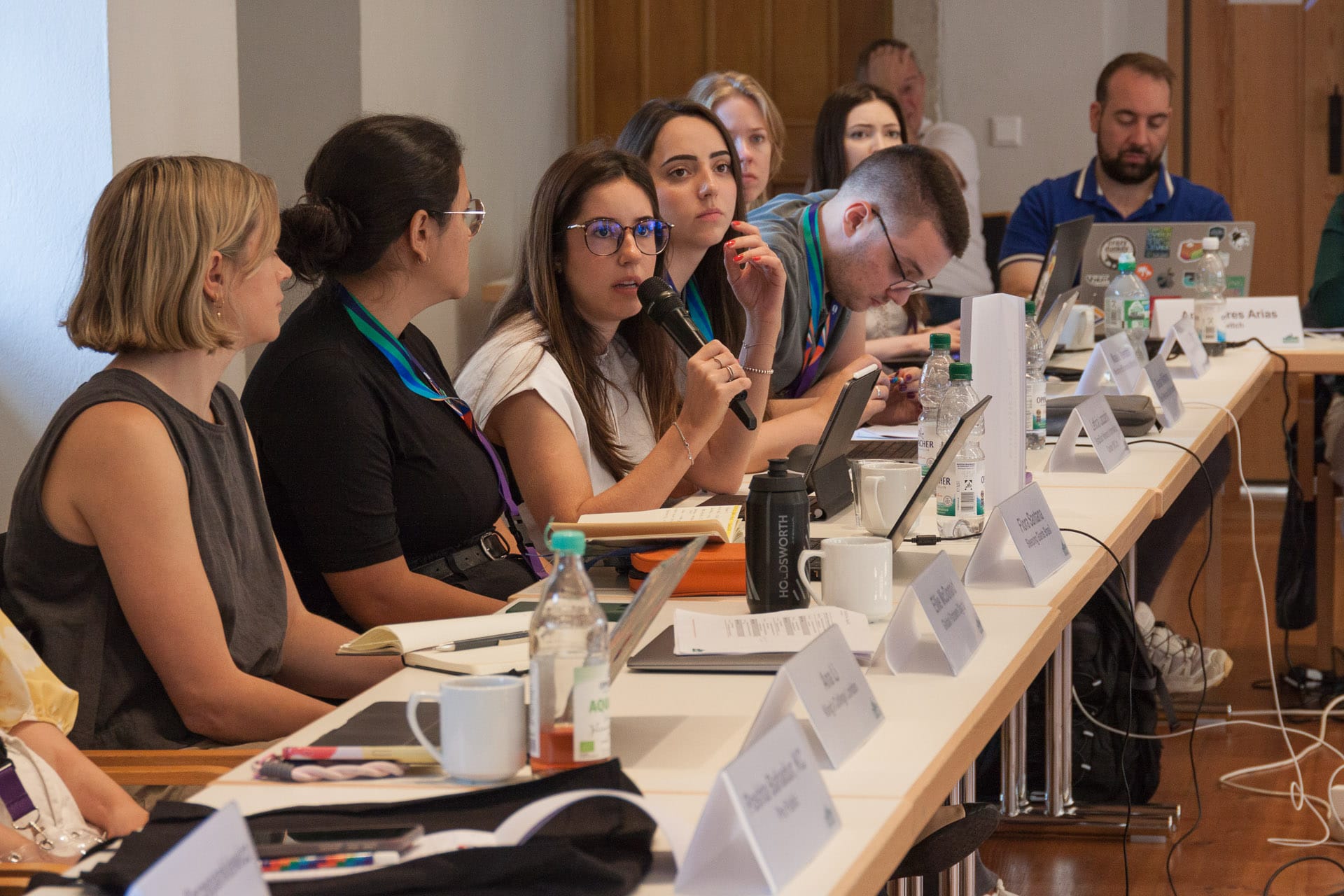
EuroSSIG is, in principle, open to everyone. However, we do expect a certain level of prior education. We are not targeting recent A-level graduates, but rather young people who have already taken their first steps in their careers and wish to progress to leadership roles. ‘Teaching the Internet Governance Leaders of Tomorrow’ is one of our mottos. We are not a bachelor’s degree course. The criteria for our programme correspond to those of an EU-accredited Master’s degree course.
This concept works well, when noting how many former fellows have gone on to hold leadership positions at ICANN, the IGF, ISOC, in various governments and leading companies. Hadja Ouattara-Sanon from Burkina Faso, for example, was appointed Minister for Communications in her country; Bernadette Lewis from Trinidad and Tobago became Secretary-General of the Caribbean Telecommunications Union; and Rinalia Abdul Rahim from Malaysia became a member of the ICANN Board and later Vice-President of ISOC. Quite impossible to list here in full all the EuroSSIG alumni who are today well-known figures in Internet Governance communities.
Currently programmes exist in several regions of the world that follow a capacity-building approach similar to that of EuroSSIG, such as the SSIG (South School on Internet Governance) in Latin America or AfriSIG, the African School on Internet Governance. Nevertheless, EuroSSIG participants still come from all corners of the globe. What do you think is the reason for this? What makes the ‘original’ so appealing?
Back in 2007, EuroSSIG was a pilot project, designed from the start to act as a catalyst and enable similar courses to be run in various parts of the world.
As early as 2007, we discussed with Olga Cavalli from Argentina the fact that there are, after all, ‘two summers’ on the globe. Olga subsequently launched the ‘South School on Internet Governance’ in 2008, which innovatively replicated our programme. In the summer of 2009, Tarek Kamel, then Egypt’s Minister of Communications, launched the first Arab Summer School on Internet Governance with the help of a former EuroSSIG fellow, in the run-up to the IGF in Sharm el Sheikh. Shortly afterwards, Anriette Esterhuysen, also a EuroSSIG faculty member, took advantage of the ICANN meeting in Durban to organise the first African Summer School as a fringe event.
There are now around 30 such schools, which collaborate within the ‘IGF Dynamic Coalition on Schools for Internet Governance’ (DC.SIG). The initiative for this DC.SIG also originated in Meißen, and we run the secretariat as well. Many of these SIGs are doing an excellent job, which is also mirrored through prizes awarded by WSIS or ICANN in the past.
Of course, having provided the model for all of these schools makes us very proud. Our programme is something like open source for a SIG, and we welcome the establishment of every new SIG. However, to ensure that our own programme remains appealing, we must constantly reinvent ourselves and rise to new challenges. So far, we have managed this quite well: The number of applications from all over the world is still consistently high.
A few statistics are an essential part of any review: How many participants have there been in total over the two decades since EuroSSIG was launched? Where did they come from, and what were their personal backgrounds? And which paths did they go on to follow? Can they still be met in the Internet Governance sphere today – at IGF-D, EuroDIG or the United Nations’ annual Global IGF?
As things stand, roundabout 500 fellows from 110 countries and a wide variety of stakeholder groups attended EuroSSIG. And all in all, more than 100 internationally renowned experts have served on the faculty so far. A few years ago, we set up an alumni network to encourage exchange and maintain contact between former fellows and faculty members. We also make use of meetings at ICANN, EuroDIG and IGFs to foster a sense of community. We usually organise a small reception, which leads to plenty of hellos and ‘do you remember’ stories, but also generates new ideas and suggestions.
I have to add, however, that none of this would be possible without our sponsors and supporters. EuroSSIG is funded exclusively by contributions from the community. Not a single euro has ever come from public sources. We are, of course, particularly grateful that DENIC has been our ‘Platinum Sponsor’ throughout the past 20 years. Also, other registries, registrars and players from the internet community have supported us time and time again, including SIDN, Norid, nic.at, SWITCH, EURid, Verisign, ICANN, RIPE NCC, ISOC and Afilias. And our latest partners, such as Google and Identity Digital, have further contributed to our success.
Your website offers wonderful insights into the atmosphere at EuroSSIG and how inspiring and enriching previous fellows have found the experience – whether through the ‘practicum‘, the breakout groups or the varied social programme. Is it even possible to ‘top’ that? Do you have any new plans or ideas on how to develop certain aspects further? Or do you go by the saying ‘Never touch a running system’?
In a field as dynamic and – from a geopolitical perspective – tense as Internet Governance, you can never rest on your laurels. This applies above all to the topics we cover in our class. The world has changed significantly over the past 20 years. Even the information revolution has ‘devoured its own children’. What was met with great hope and optimism two decades ago has now become a challenge for which new and innovative solutions must be found. The way cyberspace is commercialised and militarised today is a huge problem for the younger generation, particularly against the backdrop of the incredibly rapid development of artificial intelligence. And this is where we wish to continue providing answers that will empower today’s young people to master the Internet and AI Governance challenges of the 2030s and 2040s.
Dear Wolfgang, thank you very much for this panoramic view and for your many years of dedicated service – we wish you, EuroSSIG and your team all the very best for the future! We at DENIC look forward to continuing our sponsorship to support your multi-stakeholder academy programme, for the good of Internet Governance and its ‘Leaders of Tomorrow’.
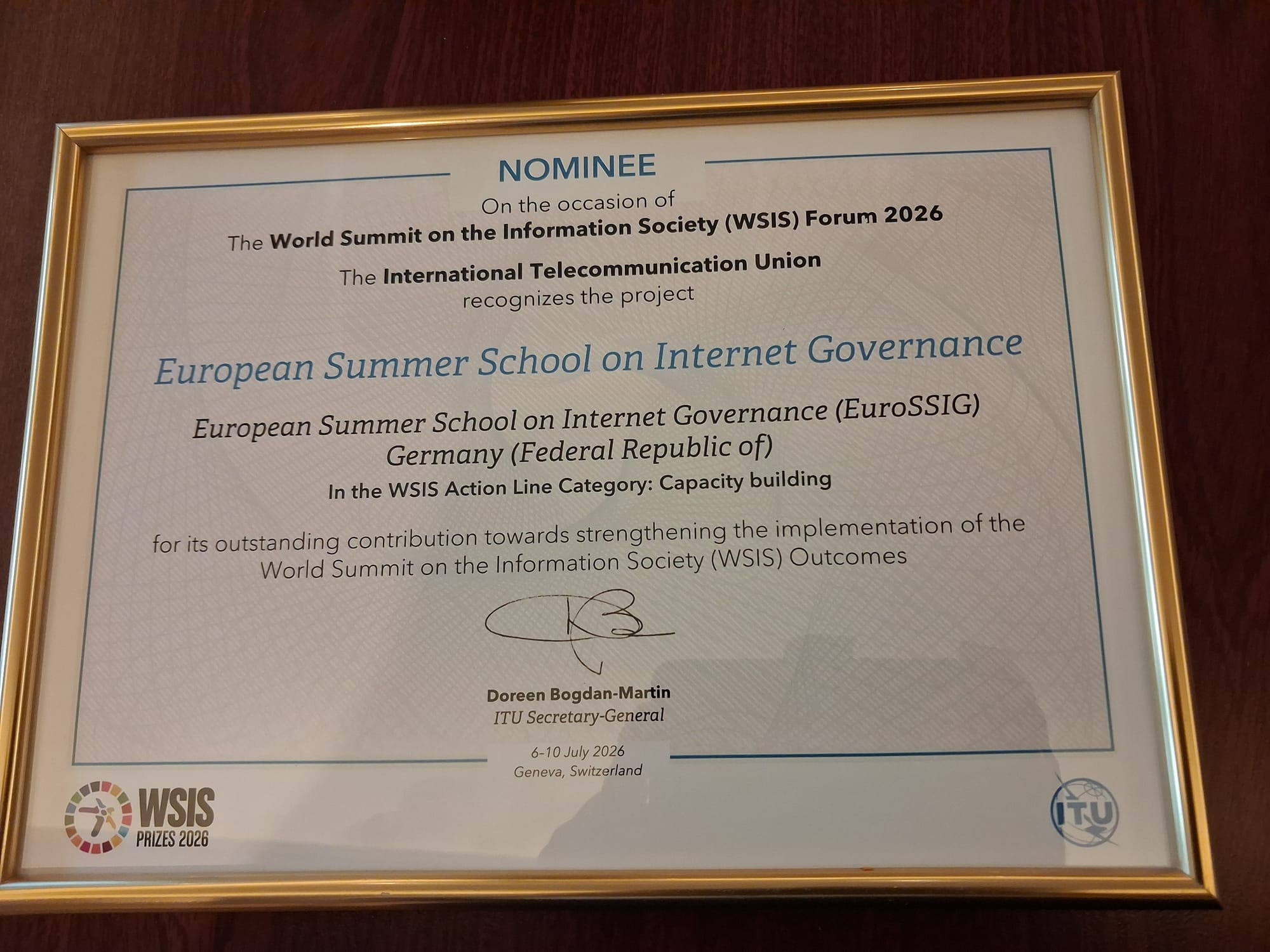
As EuroSSIG’s excellent reputation has long reached the highest echelons of the United Nations, it received a special award in early July, shortly before its anniversary, in recognition of its two decades of excellent service: Alongside five other projects, the European Summer School on Internet Governance was honoured with the ‘WSIS 2026 Prize Nomination Award’ in the ‘Capacity Building’ category, during a special ceremony held within the WSIS Forum of the International Telecommunication Union (ITU) in Geneva.
The prize was accepted by Professor Wolfgang Kleinwächter, chair of the EuroSSIG faculty, on behalf of the EuroSSIG team, which further includes Sandra Hoferichter, Rainer Rodewald, Carsten Schiefner and Ayesha Hassan. Congratulations!