How do we deal with AI agents responsibly? What does open source mean for our own products? And how do we prepare today for the cryptography of tomorrow? We addressed these questions at our in-house event, DENIC Spark Tech Edition 2026. The event brings together expertise from a range of fields, from security and compliance to further development.
Anyone operating critical internet infrastructure must understand technological developments at an early stage and help shape them. And anyone responsible for key services needs to look beyond their own horizons. That was precisely the aim of the day. Following a welcome address by our Executive Board member Barbara Stolz and our moderator René Schöler (DENIC), the programme featured several presentations and discussion sessions.
An overview of the presentations:
Agent-based working. Ludwig Richter from andrena objects ag used real-life incidents to illustrate the risks that arise when AI agents access code and systems. For DENIC, this means: consciously limiting autonomy and carefully reviewing code that we have not written ourselves.
Open-source software. Free software is an integral part of DENIC. Dr Johannes Loxen from SerNet GmbH made it clear: open source usually costs nothing, but it never comes without obligations. Community rules, security and compliance are part of the package right from the start.
Post-quantum cryptography. In the surprise talk entitled “Please do not open before 2033!”, Martin Böhner from Cognizant Mobility GmbH explained why quantum computers could render today’s encryption vulnerable and what this means for various areas of DENIC’s operations. The issue is pressing: anyone operating infrastructure that needs to remain functional for years to come should start the transition now.
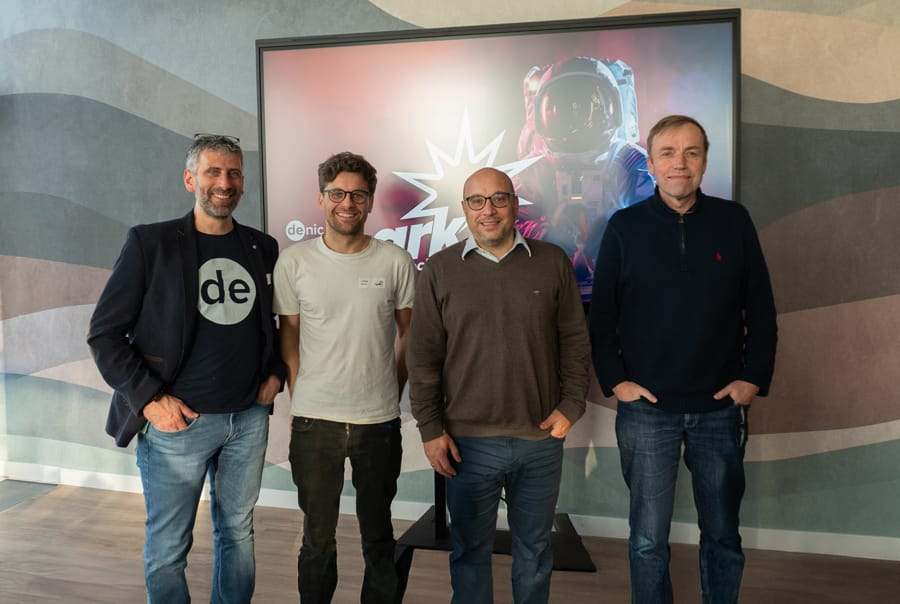
Many thanks to Ludwig Richter, Martin Böhner and Dr. Johannes Loxen. They have made complex topics accessible and brought them to life through concrete examples.
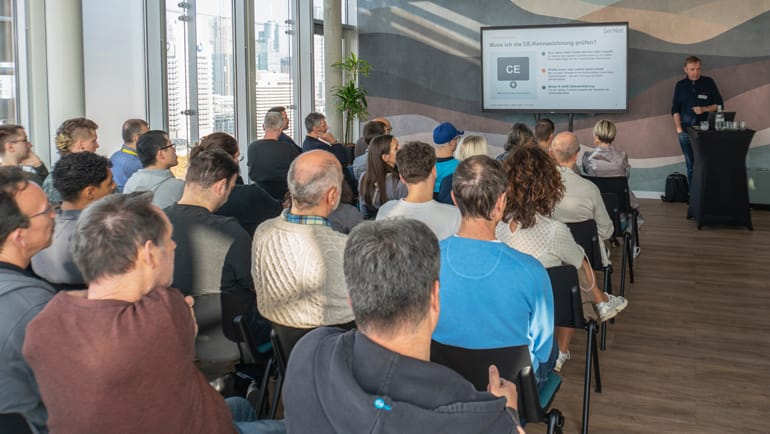
Lightning Talks. Short presentations focused on tools for personal organisation by René Schöler (DENIC), and an introduction to an entertaining game called ‘Capture the Flag’ by Sebastian Stauch (DENIC). It is precisely these short formats that demonstrate the breadth of interest at Spark.
Open Space. The principle behind this format is that there is no set agenda; participants shape the programme themselves on the spot and decide on the sessions. As with every Spark event, Open Space was once again one of the liveliest parts of the day. In the afternoon, the focus returned to the morning’s topics, this time through direct discussion with the speakers. Participants were able to ask detailed questions and share experiences, and there was also plenty of scope for lively discussions.
A heartfelt thank you goes to all the speakers and participants who made this day possible!